
International Trade and Investment: Doing Business in Canada 2026
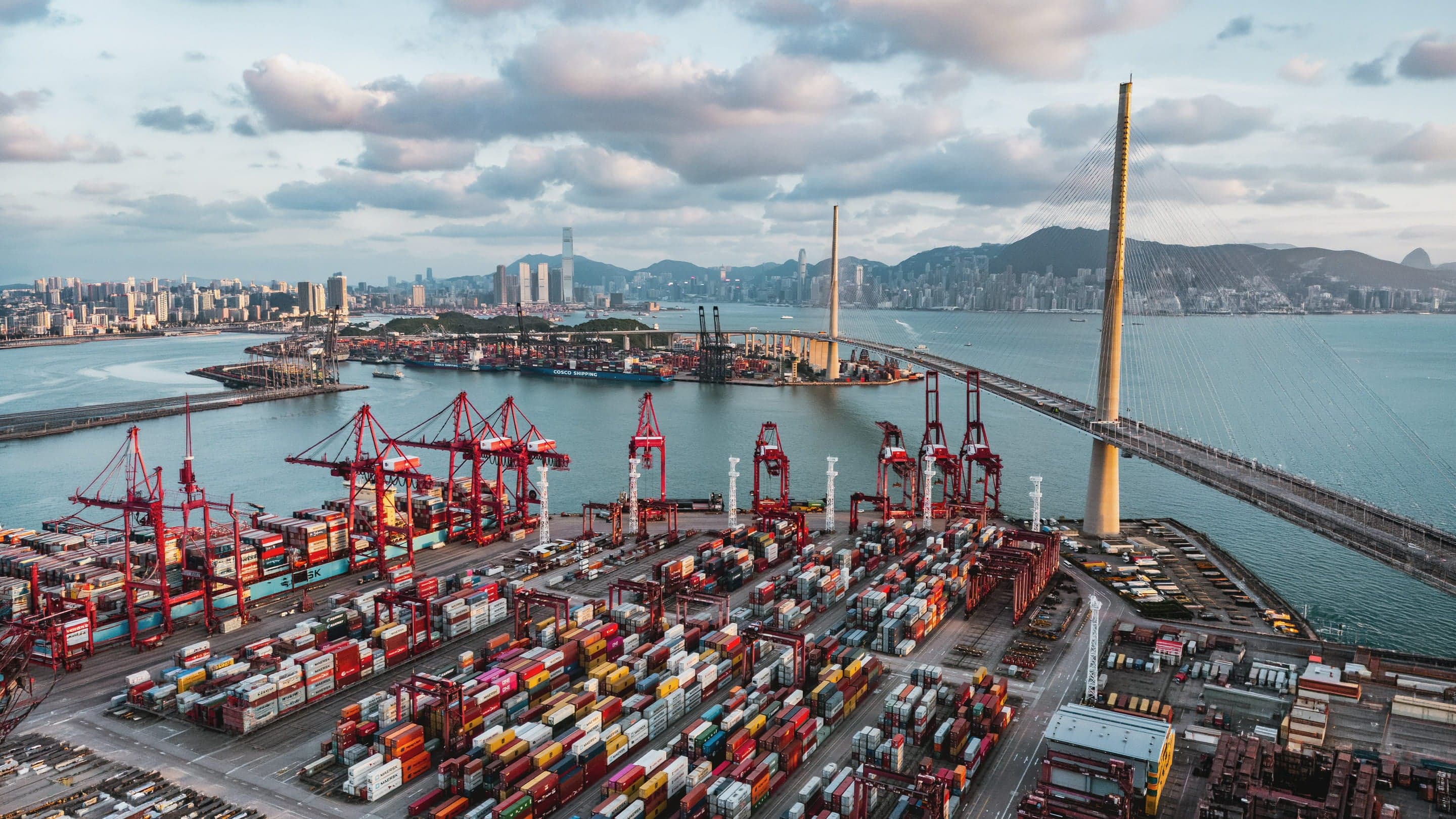
This chapter is part of our Doing Business in Canada guide, designed to help global investors navigate the legal, regulatory and strategic considerations that affect investment decisions, execution, and long-term success in Canada.
International Trade and Investment
Though increasing international tensions and geopolitical instability have led to the expansion of barriers to trade and investment, Canada has a well-established foundation of free trade and investment agreements that provide preferential access to many of the world’s largest markets. Canada is a member of the World Trade Organization (WTO), and a party to the Canada-United States-Mexico Agreement (CUSMA), the Comprehensive Economic and Trade Agreement (CETA) with the EU, the Comprehensive and Progressive Trans-Pacific Partnership (CPTPP), and numerous other regional trade and investment protection agreements. Through these agreements, Canadian suppliers have preferential access to markets in the Pacific Rim, the United Kingdom, the EU, and the United States.
Canada also maintains a comprehensive framework of economic sanctions and anti-terrorism measures, export and technology transfer controls, and trade restrictions as tools of foreign policy, as well as for protecting and advancing its national and economic security. Canadian sanctions include asset freezes, seizures and forfeitures, prohibitions on dealings with listed persons and targeted regions or sectors, trade and investment restrictions, and limits on the provision of financial and other services. In parallel, Canada regulates exports, imports and other transfers, including controls on military, strategic, dual‑use, and sensitive goods and technology, which may require permits or other authorizations regardless of destination. These regimes apply not only to activities within Canada but also, in many cases, to Canadian individuals and businesses operating anywhere in the world, creating significant compliance obligations for companies engaged in cross‑border trade and global supply chains.
The Canada-United States-Mexico Agreement
On July 1, 2020, CUSMA came into force and replaced the prior North American Free Trade Agreement (NAFTA). NAFTA, which originally came into effect on January 1, 1994, provided for the elimination of trade barriers among Canada, the U.S., and Mexico. Between Canada and the U.S., the process of tariff elimination initiated pursuant to the Canada-United States Free Trade Agreement that came into effect on January 1, 1989, was continued under NAFTA. On January 1, 1998, customs duties were completely eliminated with respect to U.S.-origin products imported into Canada, with the exception of certain supply-managed goods (including dairy and poultry products). Effective January 1, 2003, virtually all customs tariffs were eliminated on trade in originating goods between Canada and Mexico. CUSMA has continued this process of tariff elimination between the parties, though recent developments have seen the implementation of additional tariffs on Canada-U.S. trade, as noted below.
While CUSMA eliminates tariff barriers among Canada, Mexico and the U.S., each country continues to maintain its own tariff system for non-CUSMA countries. In this respect, CUSMA differs from a customs union arrangement of the kind that exists in the European Union, whereby the participating countries maintain a common external tariff with the rest of the world. A system of rules of origin has been implemented to define those goods entitled to preferential duty treatment under CUSMA. Goods wholly produced or obtained in Canada, Mexico or the U.S., or all three countries, will qualify for preferential tariff treatment, as will goods incorporating non-CUSMA components that undergo a prescribed change in tariff classification, and that in some cases, satisfy prescribed value-added tests. Some specific items, such as automobiles, have further restrictions on origin, requiring that certain wage levels be paid for labour used in constructing originating materials. Provided the CUSMA rules of origin are satisfied, investors from non-CUSMA countries may establish manufacturing plants in Canada through which non-CUSMA products and components may be further processed and exported duty-free to the U.S. or Mexico.
Outside of a three-year legacy investment window, which has now expired, CUSMA eliminates the NAFTA Chapter 11 obligations on Canada concerning its treatment of investors of other NAFTA countries. It also eliminates the investor-state dispute settlement (ISDS) mechanism, which permits a private investor of one NAFTA country to sue the government of another NAFTA country for loss or damage arising out of that government’s breach of its investment obligations as between Canada and the other parties. However, Canada maintains similar protections and ISDS mechanisms with regard to Mexico under the CPTPP (to which both are parties).
While CUSMA contains many obligations similar to those found in WTO agreements, it is sometimes referred to as “WTO-plus,” because of enhanced commitments in certain areas, including foreign investment, intellectual property protection, energy goods (such as oil and gas), financial services, telecommunications and rules of origin. CUSMA also establishes special arrangements for automotive trade, trade in textile and apparel goods, and agriculture.
Recently, despite CUSMA, significant tariffs have been imposed on Canada–U.S. trade. While CUSMA provides preferential duty‑free treatment for goods that satisfy its rules of origin, it does not prevent either country from imposing unilateral duties against each other, particularly on national security or safeguards grounds. In recent years, the U.S. has applied tariffs targeting specific goods as well as broadly targeting exports from Canada generally. In some cases, these tariffs apply even where those goods are CUSMA‑compliant. Canada has also imposed retaliatory surtaxes on certain U.S. imports. As a result, cross‑border trade between Canada and the U.S. now operates in a more fragmented and unpredictable tariff environment despite the existence of CUSMA.
The Canada-European Union Comprehensive Economic and Trade Agreement
On September 21, 2017, Canada and the European Union provisionally implemented the EU-Canada CETA. The agreement is now fully in force except for a few specific provisions — most notably enforcement provisions of the ISDS protections, obligations to impose criminal sanctions on copyright violations, and certain market access protections for portfolio financial services.
As one of Canada’s broadest and most significant trade agreements to date, CETA significantly liberalizes trade and investment rules applicable to economic relations between the two regions. CETA addresses trade in services (including financial services), movement of professionals, government procurement (including at the provincial and municipal levels), technical barriers to trade, investment protection and ISDS, and intellectual property protections (including for geographical indications and pharmaceuticals).
On the day CETA entered into force, 98% of all EU tariff lines became duty-free for Canada. Canadian exporters also benefit from clear rules of origin that take into consideration Canada’s supply chains to determine which goods are considered “made in Canada” and eligible for preferential tariff treatment. Similar to NAFTA, CETA also aims to foster regulatory harmonization, co-operation, and information sharing between Canadian and EU authorities in order to put in place more compatible regulatory regimes. This includes co-operation on sanitary and phytosanitary measures for food safety, animal and plant life, and health. CETA also includes some sector-targeted provisions that recognize specific interests related to wines and spirits, biotechnology, forestry, raw materials, science, technology, and innovation. Underscoring the agreement’s co-operative objectives, CETA also promises to implement greater transparency and information sharing with respect to subsidies and trade remedies provided by governments to their respective countries’ industries.
While not yet in force, CETA includes a novel mechanism for ISDS arbitration. Where a dispute arises under CETA, the parties have agreed to establish a permanent tribunal that utilizes the ISDS arbitration mechanism. The tribunal is to be comprised of 15 members: five nationals of Canada, five nationals of EU member states, and five nationals of third countries — each of which must be a jurist in their home jurisdiction. Cases will be heard by panels of three tribunal members (one for each party’s state and the third selected from a list of neutral members). CETA also establishes an appellate tribunal that may uphold, reverse, or modify a tribunal’s award based on errors of law, manifest errors of fact, or on the basis that it has exceeded its jurisdiction.
The Comprehensive and Progressive Trans-Pacific Partnership Agreement
The CPTPP is a trade agreement among 11 Pacific Rim countries, representing a major portion of the global economy. The agreement provides significantly enhanced access to Pacific markets for Canadian business.
The agreement has been finalized and was signed by ministers of Australia, Brunei, Canada, Chile, Japan, Malaysia, Mexico, New Zealand, Peru, Singapore, and Vietnam. It came into force in December 2018 and has been implemented by Mexico, Japan, Singapore, New Zealand, Canada, Australia and Vietnam. In July 2023, the United Kingdom signed the protocol of accession to join the CPTPP, and the protocol entered into force for the United Kingdom, Brunei, Chile, Japan, Malaysia, New Zealand, Peru, Singapore, and Vietnam on December 15, 2024, and for Australia on December 24, 2024. Canada has not yet ratified the protocol for the United Kingdom’s accession.
The CPTPP is a broad and comprehensive agreement in the mould of CETA. The CPTPP reduces trade barriers across a range of goods and services, which will, in turn, create new opportunities for businesses and consumers. The CPTPP addresses new trade issues and other contemporary challenges, such as labour and environmental issues. It reflects both tariff and non-tariff barriers to trade and investment, with the goal of facilitating the movement of people, goods, services, capital and data across borders. The agreement also includes ISDS provisions to resolve disputes between parties and investors.
Other Free Trade Agreements
In addition to CETA, CUSMA, and the agreements of the WTO, Canada has also negotiated free trade agreements with Colombia, Chile, Costa Rica, Honduras, Indonesia, Jordan, Korea, Israel, Panama, Peru, Ukraine, and the European Free Trade Association (Iceland, Liechtenstein, Norway, and Switzerland).
Following Brexit, the United Kingdom is no longer covered by the terms of CETA. However, Canada has negotiated a Trade Continuity Agreement that preserves similar treatment for the U.K. as if it continued to be covered by CETA while it negotiates a permanent replacement with the United Kingdom. As noted above, trade between Canada and the U.K. will also become governed by the CPTPP following the pending ratification of the United Kingdom’s entry into that agreement.
Canada is currently in formal negotiations regarding free trade deals with India, the Association of Southeast Asian Nations (ASEAN), the Caribbean Community (CARICOM), and the South American Common Market (Mercosur), among others.
Bilateral Investment Treaties
Bilateral investment treaties (BITs) between Canada and 38 countries are currently in force. These BITs govern a range of foreign investment issues, including the treatment of foreign investors and their investments, performance requirements, expropriation and compensation and government-to-government dispute settlement mechanisms.
To investors, perhaps the most important feature of these BITs is that they also contain private investor-state dispute settlement mechanisms that enable foreign investors to sue host governments, including Canada, for damages arising out of breaches of their investment treaty obligations. Foreign investors intending to establish a business in Canada are advised to determine whether their home state has a bilateral investment treaty with Canada. If so, their rights as an investor may be enhanced. Canadian-based businesses will also benefit from the BIT protections available for their foreign direct investment in developing countries.
Canada has also released a 2021 Model BIT which it uses for negotiations. The provisions of the 2021 Model BIT draw heavily from the ISDS mechanisms and protections in the CPTPP and CETA. There is an enhanced focus on preserving regulatory flexibility, increasing transparency and creating a pseudo-court structure for any arbitral panel.
The World Trade Organization
As a member of the WTO, Canada is subject to a broad range of obligations that impact all sectors of the Canadian economy. These obligations govern Canadian measures concerning market access for foreign goods and services, foreign investment, the procurement of goods and services by government, the protection of intellectual property rights, the implementation of sanitary and phytosanitary measures, and technical standards (including environmental measures), customs procedures, the use of trade remedies, such as anti-dumping and countervailing duties, and the subsidization of industry.
These WTO obligations apply to Canadian government policies, administrative and legislative measures, and even judicial action. They apply to the federal government, and, in many cases, to provincial and other sub-federal governments.
Canada is an active participant in the WTO’s dispute settlement system, both as complainant and respondent. As a result of WTO cases brought against Canada by other countries, Canada has had to terminate or amend offending measures in numerous sectors, including automotive products, magazine publishing, pharmaceuticals, dairy products, green energy, and aircraft. On the other hand, Canadian successes under the WTO dispute settlement system have increased access for Canadian companies to markets around the world.
As the Appellate Body of the WTO cannot currently hear cases (due to longstanding vacancies), Canada and several other WTO members, namely Australia, Brazil, China, Chile, Colombia, Costa Rica, the European Union, Guatemala, Hong Kong, Iceland, Mexico, New Zealand, Norway, Pakistan, Singapore, Switzerland, Ukraine, and Uruguay, have developed the Multi-Party Interim Appeal-Arbitration Arrangement (the MPIA). In disputes between these jurisdictions, the MPIA provides for an interim appeal arbitration procedure for appeals of panel decisions. The MPIA is open to all WTO members and is expected to remain in place only until the Appellate Body is functional again.
Canadian Free Trade Agreement
The federal government of Canada has negotiated the Canadian Free Trade Agreement (CFTA) with each of the governments of Canada’s provinces and territories, an agreement which replaces the former interprovincial trade agreement, the Agreement on Internal Trade (AIT). The CFTA contains obligations pertaining to restricting or preventing the movement of goods, services and investment across provincial boundaries; investors of a province; the government procurement of goods and services; consumer-related measures and standards; labour mobility; agricultural and food goods; alcoholic beverages; natural resources processing; communications; transportation; and environmental protection. The CFTA also provides for government-to-government and person-to-government dispute resolution.
The CFTA came into force in 2017, replacing the AIT, which had come into force in 1995. The CFTA has been updated since 2017 through three protocols of amendment.
Duties and Taxes on the Importation of Goods
Importers are required to declare imported goods upon entry into Canada and to pay customs duties and excise taxes, if applicable, to Canada’s customs authority, the Canada Border Services Agency (CBSA). Goods are subject to varying rates of duties depending upon the type of commodity and its country of origin. Canada’s free trade agreements offer preferential tariff treatment to goods from other parties to these free trade agreements.
In Canada, the importer of record is the person identified as the importer on the importation documentation, however, this person is not necessarily the ‘true importer’ that is liable to pay duties. The Canadian International Trade Tribunal has ruled that a customs broker acting as the importer of record was not the true importer since they merely provided freight-forwarding services and never purchased the goods, took title or possession of them, nor participated in their sale. The broker was therefore not liable for additional duties assessed by the Canada Border Services Agency (CBSA). It is important that this distinction be taken into account when drafting contractual agreements that may involve the importation of goods into Canada.
The amount of customs duties payable is a function of the rate of duty (determined by the tariff classification and the origin of the goods, as set out in the Schedule to Canada’s Customs Tariff) and the value for duty. Canada has adopted the World Customs Organization’s Harmonized System of tariff classification, as have all of Canada’s major trading partners.
In accordance with Canada’s obligations under the WTO’s agreement regarding customs valuation, the value for duty of goods imported into Canada is, if possible, to be based on the price paid or payable for the imported goods, subject to certain statutory adjustments. This primary basis of valuation is called the “transaction value method:”
- An example of an adjustment that would increase the value for duty of the goods is a royalty payment, if the royalty is required to be paid by the purchaser of the imported goods as a condition of the sale of the goods for export to Canada.
- An example of an adjustment that would allow for a deduction from the price paid or payable is the transportation cost incurred in shipping the goods to Canada from the place of direct shipment, if such costs are included in the price paid or payable by the importer.
If for one reason or another (e.g., where there has been no sale of the goods) the transaction value of the goods may not be used as a basis for the declared customs value, Canadian legislation provides alternative methods for valuation. In addition to customs duties, Goods and Services Tax (GST) in the amount of 5% is also payable upon the importation of goods. This GST rate is applied to the duty-paid value of the goods. Provided that they have acquired the goods for use in commercial activity, importers registered under the Excise Tax Act will be able to recover GST paid upon importation by claiming an input tax credit. See Sales and Other Taxes — Federal Goods and Services Tax.
The CBSA recently implemented an online portal, referred to as the CBSA Assessment and Revenue Management (CARM) system, through which it assesses and collects duties on commercial goods imported into Canada. Commercial importers and their customs brokers must be registered in the CARM system to process imports. Importantly, importers must complete this registration process themselves, as their customs brokers are not able to do so on their behalf.
Trade Remedies and Similar Measures
Canada maintains a trade remedy regime that provides for the application of additional duties and/or quotas to imported products, where such products have injured or threaten to injure the production of like goods in Canada. There has been increased use of these measures with increased international tensions and volatility in global trade.
The federal Special Import Measures Act provides for the levying of additional duties on “dumped” products (i.e., products imported into Canada at prices lower than the comparable selling price in the exporting country) if they have caused or threaten to cause injury to Canadian industry. The process by which a determination is made as to whether duties should be applied to products that are alleged to be dumped is divided between the CBSA and the Canadian International Trade Tribunal (CITT), with the CBSA investigating whether the products in question are being dumped and the CITT determining if such dumping is causing harm to the Canadian industry. Affirmative findings are required from both institutions for non-provisional duties to be applied to dumped products.
Duties may also be levied in instances of countervailable subsidies being provided by the government in the country of export, and if such subsidized products injure or threaten to injure Canadian industry. Further, Canada may apply safeguard surtaxes or quantitative restrictions on imports where it is determined that Canadian producers are being seriously injured or threatened by increased imports of goods into Canada. These measures may be applied regardless of whether the goods have been dumped or subsidized.
The increase in trade volatility has led to an uptick in the usage of safeguard measures. These safeguard measures are implemented pursuant to the Canadian International Trade Tribunal Act and intended to be temporary, giving domestic industries time to adjust to increased competition or other challenges that have or could seriously injure domestic producers. Prior to the imposition of a safeguard measure, an inquiry is conducted by the CITT to determine if one is warranted. If the CITT makes an affirmative finding, it must also recommend the most appropriate remedy, taking into account Canada’s international trade obligations. This recommendation is considered by the Canadian Government, who will ultimately decide whether to impose a safeguard measure and what form it will take.
The steel industry in particular has been the focus of a number of measures designed to protect domestic industry from trade volatility. Canada has recently implemented broad trade controls on steel products, including tariff‑rate quotas (TRQs) and measures applicable to steel‑containing downstream goods. TRQs have been used to regulate volumes of imported steel by allowing imports within prescribed limits at normal duty rates, while subjecting over‑quota imports to additional surtaxes. In addition, Canada introduced trade measures applicable to certain steel derivative products, imposing surtaxes on a defined list of finished and semi‑finished goods containing steel, regardless of origin. Collectively, these mechanisms reflect Canada’s use of both volume‑based controls and product‑specific measures to address evolving conditions in global steel markets.
Forced Labour and Child Labour
Since July 1, 2020, there has been a prohibition on the importation and distribution of any goods mined, manufactured or produced in whole or in part from forced labour. Since January 1, 2024, this prohibition has also applied to goods mined, manufactured or produced in whole or in part from child labour. However, unlike in the U.S., enforcement in Canada has generally been slow to date. Certain civil society organizations sought an order from the Federal Court requiring the government to presumptively prohibit goods imported from the Xinjiang region of the People’s Republic of China on forced labour grounds, absent evidence to the contrary. The Federal Court held that the Canadian Border Services Agency did not have the legal authority to enact such a general presumptive ban and must instead make determinations on a case-by-case basis.
On January 1, 2024, the Fighting Against Forced Labour and Child Labour in Supply Chains Act came into force, implementing reporting requirements related to the presence of forced and child labour in the supply chain. The Act applies broadly to entities that produce goods in Canada or elsewhere, import into Canada goods produced outside Canada, or control entities that engage in these activities. These entities must also have a nexus to Canada, and meet certain financial thresholds, to be subject to the reporting obligations. The language of the Act also had the reporting obligation apply to entities engaged in selling or distributing goods, but Public Safety Canada has released guidance indicating that, in its view, this is not the case despite the language of the Act. The key obligation under the Act is the annual publication of a report on diligence processes implemented by entities subject to the legislation that are aimed at “[preventing and reducing] the risk that forced labour or child labour is used at any step of the production of goods in Canada or elsewhere by the entity or of goods imported into Canada by the entity.” The Act provides for criminal enforcement where entities fail to report or provide misleading information in their reports and provides for director and officer liability for these offences. Public Safety Canada has taken a light approach to enforcement thus far, focusing primarily on raising awareness of the reporting obligation, but that may change as the reporting obligation becomes more established practice.
Economic Sanctions and Anti-Terrorism Measures
A number of nations, entities and individuals are subject to Canadian sanctions and anti-terrorism measures under the United Nations Act, the Special Economic Measures Act, the Justice for Victims of Corrupt Foreign Officials Act (Sergei Magnitsky Law), the Freezing Assets of Corrupt Foreign Officials Act and the Criminal Code. Such measures of varying scope apply to activities involving the following countries or regions: Afghanistan, Belarus, Burma (Myanmar), the Central African Republic, China, the Democratic Republic of the Congo, East Jerusalem, Gaza, Guatemala, Guinea, Haiti, Iran, Iraq, Israel, Lebanon, Libya, Mali, Moldova, Nicaragua, North Korea, Russia, Somalia, Saudi Arabia, South Sudan, Sri Lanka, Sudan, Syria, Tunisia, Ukraine (primarily focused on the Crimea, Luhansk or Donetsk Regions or the Kherson or Zaporizhzhia oblasts of Ukraine that are occupied by Russia), Venezuela, West Bank, Yemen, and Zimbabwe. Canada also maintains very significant prohibitions on dealings with listed or designated persons, terrorist organizations and individuals associated with such groups. These include listed terrorist entities that control certain countries or regions, such as the Taliban in Afghanistan and cartels in certain regions of Mexico and other countries.
Since the Russian invasion of Ukraine in February 2022, Canada has imposed numerous rounds of sanctions against Russia, Belarus, Moldova, and the occupied regions of Ukraine. Canada has sanctioned approximately 3,500 entities and individuals, including many Russian banks, oligarchs and various significant government and private actors in the Russian and global economy. Additionally, in June 2022, Canada became the first G7 country to provide for the forfeiture and redistribution of assets of any person listed, or controlled by a person listed, under its sanctions. As of March 2026, Canada’s Minister of Finance may direct relevant financial institutions to pay to the Canadian government profits realized from any property in their possession or control that belongs to a person or state that is subject to a sanctions order.
Canada’s use of economic sanctions since the Russian invasion has been unprecedented in modern history. Although many of these have focused on Russia and the occupied regions of Ukraine, recent measures have also targeted Iran, Haiti, Sri Lanka, and Israel and the occupied Palestinian territories, among others. This dramatic escalation in the use of economic sanctions has placed a strain on the governmental authorities that administer Canada’s sanctions regime, though they have recently established a specialized Sanctions Bureau at Global Affairs Canada, and specialized teams to assist with effectively administering and enforcing these measures.
In a number of areas, these Canadian economic sanctions measures are more onerous than those imposed by the U.S., the United Kingdom, and the European Union. This makes it important to consider sanctions-related compliance on a country-by-country basis and to calibrate compliance programs accordingly. In addition to listing individuals and entities that are not sanctioned by other countries, including its allies, Canada has also adopted broader tests for determining whether property of non-listed entities is subject to sanctions prohibitions on the basis that such entities are controlled by listed persons.
Unlike the U.S., Canada does not maintain a general trade embargo against Cuba. Indeed, an order issued under the Foreign Extraterritorial Measures Act makes it a criminal offence to comply with the U.S. trade embargo of Cuba and requires that the Attorney General of Canada be notified forthwith of any communications received in respect of these U.S. embargo measures.
Export and Import Controls on Goods and Technology
Canada, for reasons of both domestic policy and international treaty commitments, maintains controls on imports, exports, and transfers of certain goods, services, software and technology and, in the case of exports, their destination country and end-use. The federal Export and Import Permits Act (EIPA) controls these goods through the establishment of four lists: the Import Control List (ICL), the Export Control List (ECL), the Area Control List (ACL), and the Brokering Control List (BCL).
Canada, for reasons of both domestic policy and international treaty commitments, maintains controls on imports, exports, and transfers of certain goods, services, software and technology.
Goods identified on the ICL require an import permit, subject to exemptions (including for goods from certain countries of origin). These include steel products, weapons and munitions, and agricultural and food products, such as turkey, beef and veal products, wheat and barley products, dairy products, and eggs.
The ECL identifies those goods and technology that may not be exported or transferred from Canada without obtaining an export permit, subject to exemptions for certain destination countries. Controlled goods and technology are categorized into the following groups: dual-use items, munitions, nuclear non-proliferation items, nuclear-related dual-use goods, miscellaneous goods, and technology (including all U.S.-origin goods and technology, certain medical products, forest items, agricultural and food products, prohibited weapons, nuclear-related and strategic items), missile equipment and technology, chemical and biological weapons, and related technology and items controlled under the United Nations Arms Trade Treaty.
Canada has recently expanded the scope of dual-use items (i.e., items that could be used for civilian and military purposes) that are subject to export controls, imposing more controls outside of the established multilateral frameworks. These autonomous measures have primarily targeted the technology sector, including technologies relating to advanced semiconductors and artificial intelligence.
Canada has also implemented certain controls on “brokering” of arms and arms-related technologies identified in the BCL. These restrictions control the ability of Canadians and persons in Canada to arrange or negotiate the transfer of defence items and technology between foreign countries.
Export permits must also be obtained for the export or transfer of any goods or technology, regardless of their nature, to countries listed on the ACL. The only country on the ACL is North Korea at the present time.
Canada’s export controls are administered by Global Affairs Canada through its Strategic Export Controls Bureau (SECB). Among other activities, SECB issues guidance on its interpretation and application of Canada’s export controls.
Recently, SECB issued guidance on its views regarding the use of Canadian or foreign-based cloud services to store or transmit controlled technology, and when this may trigger an “export” or “transfer” under Canadian export controls. In this guidance, SECB indicates that, in the case of technology, a transfer occurs specifically through disclosure, (i.e., making the content of controlled technology available from a place inside Canada to a place outside of Canada). This means that not all technology sent or stored abroad will automatically constitute an export. The guidance notes that the key factor in the “disclosure” analysis is whether there is a reasonable possibility that someone outside Canada could access or examine the technology. If no such possibility exists, then a “transfer” is not considered to have occurred. This also means that actual access to controlled technology is not necessary in order for a “transfer” to have occurred.
In addition to the EIPA, the cross-border movement of nuclear and nuclear-related goods and technology is also controlled under the Nuclear Safety Control Act which includes an import and export licensing regime administered by the Canadian Nuclear Safety Commission. Other Canadian legislation regulates import and export activity, including in respect of rough diamonds, cultural property, wildlife, food and drugs, hazardous products, and environmentally sensitive items.
Defence Production Act — Controlled Goods Program
The Canadian government has established the Controlled Goods Program under the authority of the Defence Production Act (DPA). This program is a domestic industrial security regime for certain goods and technology that have a military application, including but not limited to items subject to the U.S. International Traffic in Arms Regulations. It provides for defence trade controls to regulate and control the examination, possession and transfer of controlled goods and technology within Canada.
Anyone who deals with DPA-controlled goods and technology in Canada must register with the Controlled Goods Directorate and comply with numerous employee screening, security, and other requirements.
Other Requirements for Imported Goods
Certain imported goods are required to be marked with their country of origin. These generally fall within the following product categories: goods for personal or household use; hardware, novelties and sporting goods; paper products; wearing apparel; and horticultural products. Certain types of goods, or goods imported under specific conditions, are exempt from the country-of-origin-marking requirement.
Prepackaged products (i.e., products packaged in a container in such a manner that it is ordinarily sold to or used or purchased by a consumer without being repackaged) imported into Canada are also subject to requirements under the federal Consumer Packaging and Labelling Act. Consumer textile articles are subject to the requirements of the federal Textile Labelling Act.
There are also significant legislative requirements relating to the importation of foods, agricultural commodities, aquatic commodities, and agricultural inputs. They are all subject to the inspection procedures of the Canadian Food Inspection Agency (CFIA).
Counterfeit trademark or pirated copyright goods may be detained upon importation into Canada. In accordance with the Copyright Act and the Trademarks Act, the owner of a valid Canadian copyright or a Canadian trademark holder registered with the Canadian Intellectual Property Office (CIPO) is eligible to file a Request for Assistance (RFA) application with the CBSA. This RFA provides an important enforcement tool for intellectual property rights. Using the RFA, the CBSA can identify and detain commercial shipments suspected of containing counterfeit trademark or pirated copyright goods. When the CBSA detects such goods, the CBSA can use the information contained in the RFA to contact the rights holder. The rights holder may then pursue a court action if necessary. The RCMP is responsible for undertaking any criminal investigations related to commercial scale counterfeiting and piracy.
In addition to the prohibitions on goods made with forced labour or child labour noted previously, certain other goods are prohibited from being imported into Canada. These include: materials deemed to be obscene under the Criminal Code; base or counterfeit coins; certain used or second-hand aircraft; goods produced wholly or in part by prison labour; used mattresses; any goods in association with which there is used any description that is false in a material respect as to their geographical origin; certain used motor vehicles; certain parts of wild birds; certain hazardous products; white phosphorus matches; certain animals and birds; materials that constitute hate propaganda; and certain prohibited weapons and firearms.
Anti-corruption Legislation
The federal Corruption of Foreign Public Officials Act (CFPOA) makes it a criminal offence for any person to offer or pay a bribe to a foreign public official. The CFPOA prohibits Canadians from directly or indirectly (i.e., through an agent or other representative) giving, offering, or agreeing to give or offer a loan, reward, advantage, or benefit of any kind to a foreign public official in order to obtain or retain an advantage in the course of business. Canadian companies must therefore carefully scrutinize their activities abroad, including the actions of their agents and other business partners in other countries to ensure compliance with the CFPOA.
Canadian corporate culture has undergone significant change in response to increased enforcement of the CFPOA as well as the anti-corruption provisions in the Criminal Code. Recent prosecutions and plea deals have led to imprisonment of individuals and the imposition of multi‑million‑dollar fines on companies.
In addition, Canada has enacted sector-specific legislation to increase transparency and deter corruption for Canadian companies operating outside of its borders. For example, the Extractive Sector Transparency Measures Act (ESTMA) was brought into force on June 1, 2015. ESTMA requires extractive entities active in Canada to publicly disclose, on an annual basis, specific payments made to all governments in Canada and abroad.
Similarly, the federal government has also put in place a series of integrity policies (collectively referred to as the “Integrity Regime”) to ensure that the government itself conducts its business with ethical suppliers both in Canada and abroad. The Integrity Regime ranks among the world’s most aggressive debarment programs for the disqualification of companies seeking to do business with the federal government. It aims to promote and enforce ethical business practices in government, ensure due process for the government’s suppliers and service providers, and uphold trust in the public procurement process.
Under its Criminal Code, Canada also prohibits bribery and related activities in respect of domestic government officials and bribery in the context of non-government parties (i.e., secret commissions).
In the U.S., there is a well-established process that allows companies to voluntarily disclose Foreign Corrupt Practices Act violations and negotiate deferred or non-prosecution agreements with the U.S. authorities providing for the payment of fines and the imposition of monitors who oversee remediation, all without there having to be a criminal conviction of the company. The U.K. has also adopted a similar deferred prosecution agreement process.
In 2018, Canada adopted a similar regime, which it calls “Remediation Agreements.” There was an attempt to use the Remediation Agreement process by SNC-Lavalin with regard to pending charges related to alleged bribes paid to Libyan government officials. This attempt was rejected by the Public Prosecution Service of Canada (PPSC), which then proceeded with the prosecution. It has been noted that Canada’s Remediation Agreement framework is statutory in nature (as opposed to being a matter of policy flowing from prosecutorial discretion as it is in the U.S.), which greatly restricts flexibility for the PPSC in deciding whether or not to allow a Remediation Agreement to go forward.
Ultimately, SNC-Lavalin entered into a plea agreement that saw a subsidiary plead guilty to a fraud related offence and required SNC-Lavalin to undergo rigorous remediation and monitoring. It was also required to pay a fine of C$280 million over five years. This outcome largely replicated what would have been done under a Remediation Agreement.
The second-ever Remediation Agreement was approved by the Superior Court of Québec in May 2023. The first Remediation Agreement in Canada to deal with offences under the federal Corruption of Foreign Public Officials Act, the agreement arose from allegations that Ultra Electronics Forensic Technology Inc. bribed Philippine officials to secure government contracts. A notable element of the court’s approval decision is its view that a high level of deference is owed to a Remediation Agreement.
Government Procurement of Goods and Services
Canada is party to a number of trade agreements that impose restrictions and requirements on government procurement. Among other things, these agreements restrict the extent to which governments may favour domestic goods and services in their procurement processes.
The WTO Agreement on Government Procurement, CETA (Chapter 19), CPTPP (Chapter 15) and the CFTA (Chapter Five) all set out numerous requirements for procurement of goods and services that must be satisfied by the parties to those agreements, including Canada. These requirements include provisions that address technical specifications; the qualification of suppliers; the design and issuance of requests for proposals; selective tendering procedures; tender documentation; negotiations that may occur during the tender; the process of submitting, receiving and opening tenders and awarding contracts; limited tendering procedures; and bid challenges. They apply to federal government departments and entities, as well as to various government enterprises and Crown corporations. In certain circumstances, they also apply to provincial government entities, including municipalities, municipal organizations, school boards and publicly funded academic, health and social service entities.
Pursuant to its obligations, Canada’s bid challenge authority for federal procurement is the Canadian International Trade Tribunal (CITT). Where the CITT finds that a procurement complaint is valid, it may recommend that a new solicitation be issued, the bids re-evaluated, the existing contract terminated and the contract awarded to the complainant or the complainant compensated for its loss of the contract. The CITT may also award costs incurred by the complainant in preparing a response to the solicitation.
As noted above, CETA contains significant government procurement obligations that apply not only at the federal level, but also at the provincial and municipal levels of government. See Government Procurement.
For a complete view of investment, regulatory and sector considerations, explore the full Doing Business in Canada guide.
Global trade is evolving, and so are the rules affecting businesses and investors. Stay current — subscribe to Terms of Trade.
Get the full Doing Business in Canada guide
Access the complete Doing Business in Canada guide as a downloadable PDF. This comprehensive resource brings together key legal, regulatory and sector-specific considerations to support investment, transactions and operations in the Canadian market.
People
 John W. Boscariol
Partner | Co-Head, International Trade and Investment Law
People.Offices.Singular Toronto