Canada: Doing Business in Canada 2026
This chapter is part of our Doing Business in Canada guide, designed to help global investors navigate the legal, regulatory and strategic considerations that affect investment decisions, execution, and long-term success in Canada.
Canada
Canada is the second-largest country in the world, with an area of approximately 10 million square kilometres and a population of more than 40 million. The vast majority of its population resides within about 150 kilometres of its southern boundary with the United States, much of it in the highly industrialized corridor between Windsor, Ontario and Québec City, Québec. Canada’s two official languages are English and French. As one of the 10 largest economies of the industrialized countries, Canada is a member of the world’s Group of Seven (G7) industrialized nations. About 72% of Canada’s exports go to the United States, followed by 9% to the European Community, 6% to the United Kingdom, and less than 5% each to China, Mexico, and Japan. Canada is the largest importer of goods and services from the United States, with imports from the U.S. comprising over half of all Canadian imports.
The Toronto Stock Exchange (TSX) and the TSX Venture Exchange rank third among North American exchanges and among the top ten world stock exchanges in terms of market capitalization. More resource company stocks are listed on the TSX than anywhere else in the world.
Government and Legal Framework
Canada is a federal state, with governmental jurisdictions divided among a national government, 10 provincial governments and three territorial governments. The Constitution Act, 1867 provides the federal and provincial governments with exclusive legislative control over enumerated lists of subjects and also provides exclusive legislative control to the federal government over residual subjects not clearly assigned to the provincial governments. Each of Canada’s two levels of government is supreme within its particular area of legislative jurisdiction, subject to the limits provided by the Canadian Charter of Rights and Freedoms, which forms part of the Constitution Act, 1982.
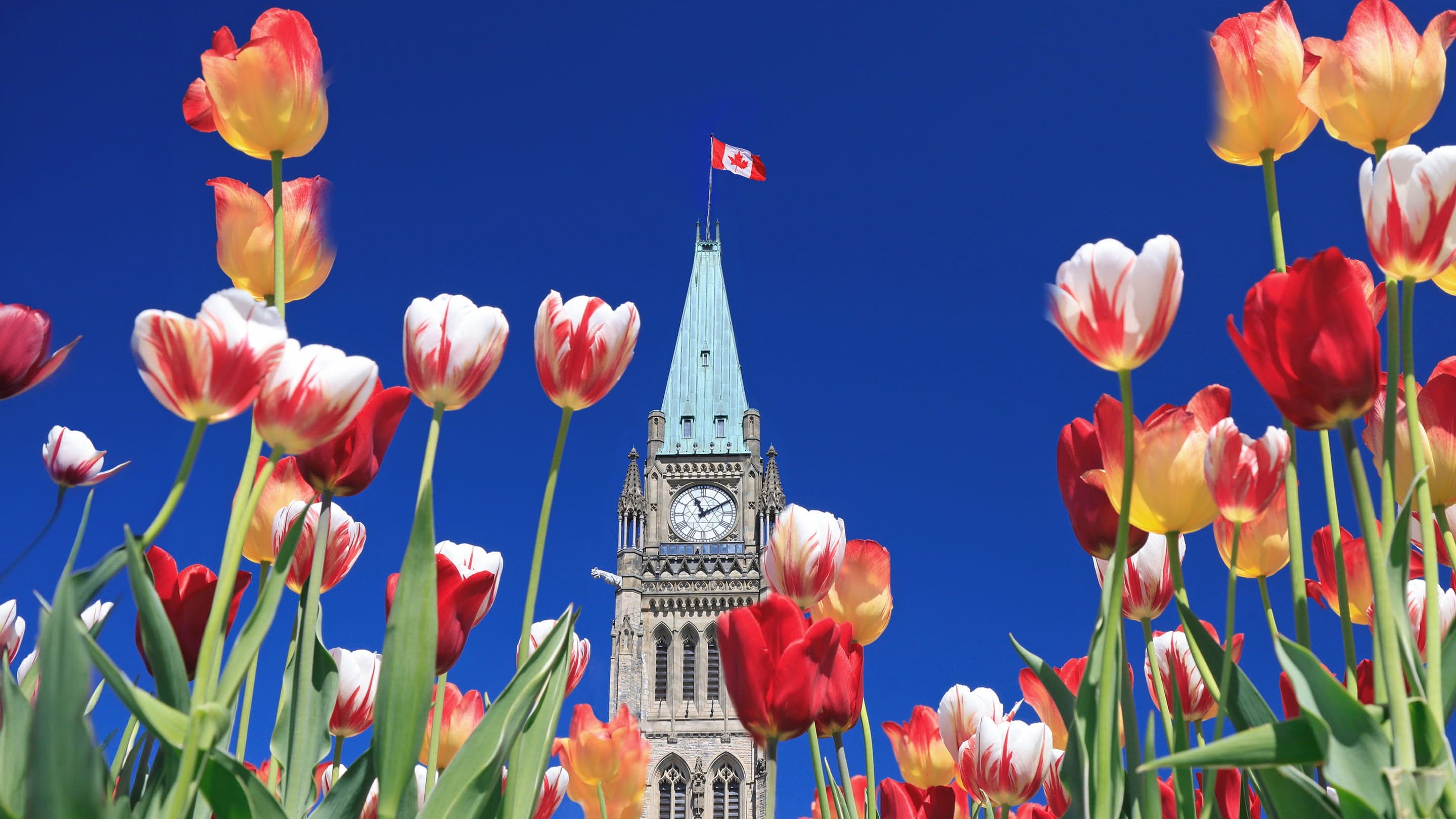
Canada is a federal state, with governmental jurisdictions divided among a national government, 10 provincial governments and three territorial governments.
The federal government has legislative jurisdiction over, among other matters, the regulation of trade and commerce, banking and currency, bankruptcy and insolvency, intellectual property, criminal law and national defence. The provincial governments have legislative jurisdiction over, among other matters, real and personal property, civil rights, education, health care and intra-provincial trade and commerce. Certain aspects of these provincial powers are delegated to municipal governments, which enact their own bylaws.
Both levels of government are based on the British parliamentary system. At the federal level, the prime minister is the head of government and at the provincial level, the premiers. These individuals are the leaders of the political parties that have either the greatest number of seats in the House of Commons or the provincial legislatures, respectively — or that have, at a minimum, the support of a majority of the members of the House of Commons or provincial legislatures, respectively.
When establishing or acquiring a business in Canada, one must be concerned with the federal laws as well as the laws of the provinces or territories within which the business will be conducted. In nine of the 10 provinces and in the three territories, the legal systems are based on common law. In Québec, the legal system is based on civil law. In this publication, we have chosen to refer primarily to Ontario legislation, but the legislation and programs of the other common law provinces are similar to those of Ontario. We have included references to Québec legislation — in particular, under the heading Language. Lawyers in the various offices of McCarthy Tétrault would be pleased to conduct a review of the federal and provincial laws and regulations and municipal bylaws relevant to your particular business operation.
Canada is also home to a wide variety of Indigenous Peoples and groups, including First Nations, Inuit and Métis. Indigenous people can be found across the country, particularly on the many traditional territories of their communities; communities with distinct culture and traditions that influence their interactions with Canadian institutions. Our chapter on Aboriginal Law elaborates on the unique legal challenges which arise from working with and respecting Indigenous Peoples.
For a complete view of investment, regulatory and sector considerations, explore the full Doing Business in Canada guide.
Get the full Doing Business in Canada guide
Access the complete Doing Business in Canada guide as a downloadable PDF. This comprehensive resource brings together key legal, regulatory and sector-specific considerations to support investment, transactions and operations in the Canadian market.